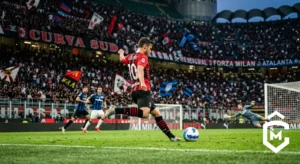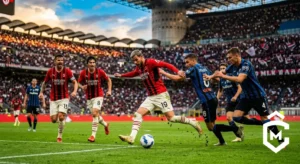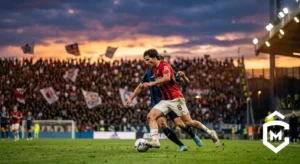


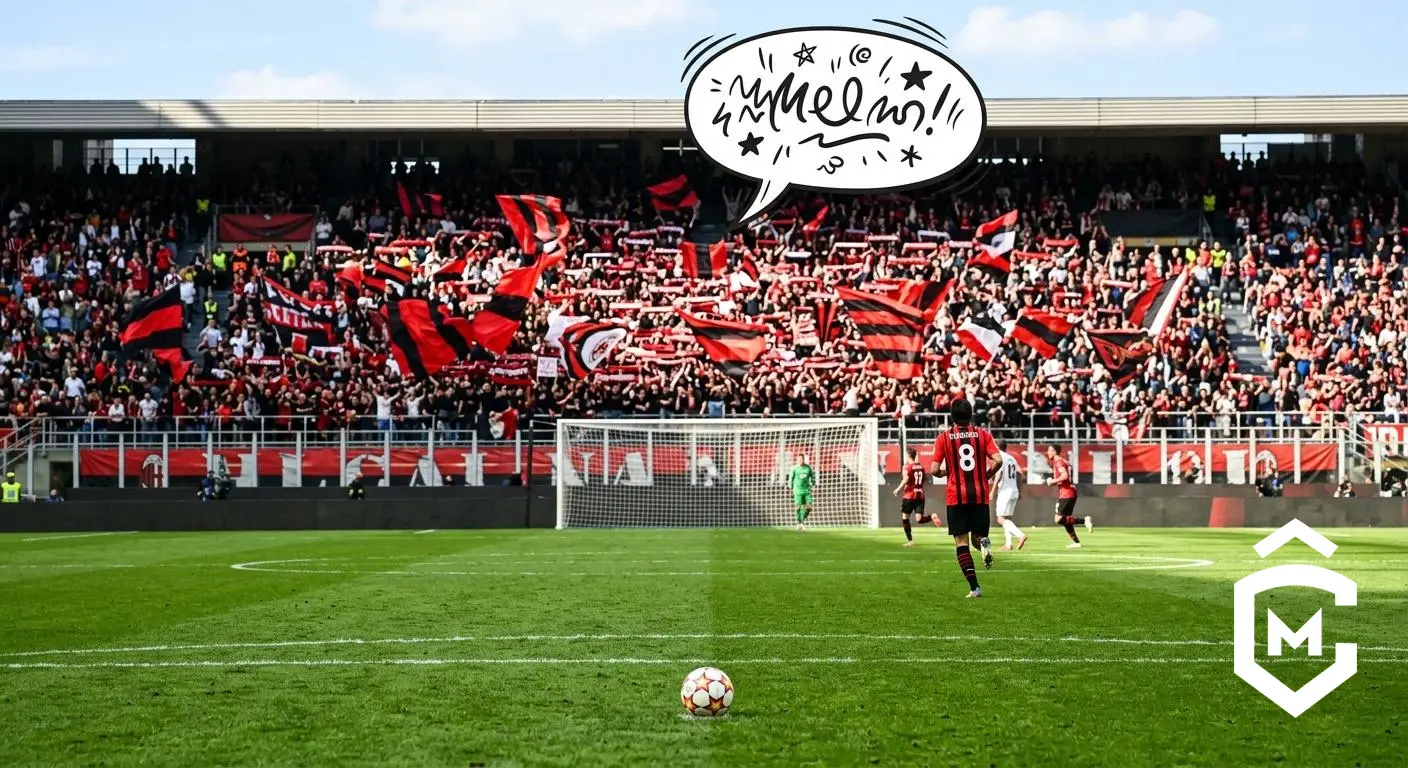
Tomori back in Rossoneri colours: a genuine boost for the defence
After weeks of rumours, squad exclusions and transfer scenarios that had him heading away from Milan, Fikayo Tomori has been officially reintegrated into the Milan squad. From a technical and numerical standpoint, this represents a concrete addition to the Rossoneri backline: the English defender brings with him international experience, knowledge of Italian football and a physical presence that can make a real difference.
The British centre-back, a Milan player since his permanent signing from Chelsea in 2021, has delivered top-level performances in the red and black shirt. Knowing the team’s mechanics, the league and the dressing-room dynamics is a valuable asset — especially at this stage of the season, with fixtures piling up across Serie A, Coppa Italia and the Champions League.
A necessary reintegration: the alternatives were limited
The decision to bring Tomori back into the fold was also driven by practical necessity: without him, Milan’s defensive department would have relied heavily on other youth-team graduates. With the arrival of Mario Gila — a quality Spanish defender signed in this window — the Rossoneri backline now has a stronger, more reliable look.
Tomori can operate as a high-level option off the bench or as a rotation starter, giving Amorim the choices that were missing in the first part of the season. His tactical versatility, combined with the ability to play in both a back three and a back four, makes him a valuable asset for the Portuguese coach’s system.
The handling of the ‘outcast’ players: mixed signals
What has sparked debate is not the reintegration itself, but the journey that led to this decision. During the summer, Milan had clearly communicated that certain players — including Tomori, Youssouf Fofanà and Santiago Gimenez — were considered surplus to requirements. A firm stance, also stated publicly by manager Rúben Amorim, who had categorically ruled out any reintegrations.
The fact that Tomori has stayed at Milanello and is now available to the Portuguese coach is, technically, good news for Milan. But the question that remains open is one of consistency: why was Tomori reintegrated while Fofanà left on a loan deal to Sevilla? And what will happen to other fringe figures like Warren Bondo, still stuck in a state of limbo?
The inconsistent handling of these cases raises questions about method: a more uniform approach — both in declaring players surplus and in managing their potential returns — would likely have avoided controversy and projected a stronger organisational image.
Moving forward with confidence: Milan’s eyes are on the pitch
Beyond the management debate, the concrete reality is that Milan closes this transfer window with more resources in the squad. Tomori adds experience to the defence, Gila brings freshness and quality, Ramos is expected to deliver goals, and Hutchinson offers unpredictability on the flanks. The group is larger and, potentially, more competitive.
Now the ball returns to the pitch, and it is there that Amorim and his players will answer the questions this transfer window has left open. Trust in the Portuguese coach remains high: his ability to work on collective cohesion and bring the best out of every individual has already been proven elsewhere. Milan has every tool it needs to fight for a Champions League place and to surprise anyone along the way.