

The script repeats itself: spring at Milan, time for another revolution
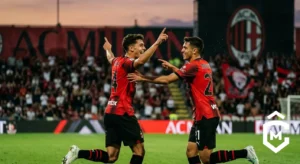
It’s April, and right on cue the Milan rumour circus is back in full swing. Coaches on the brink, players in the firing line, sporting directors with their bags half-packed. A script seen far too many times, repeating itself with unsettling regularity for at least four consecutive seasons. First Paulo Maldini paid the price, then Stefano Pioli, then Paulo Fonseca, then Sérgio Conceição. Every year a new scapegoat, while those who manage, govern and administer the club remain firmly in their seats.
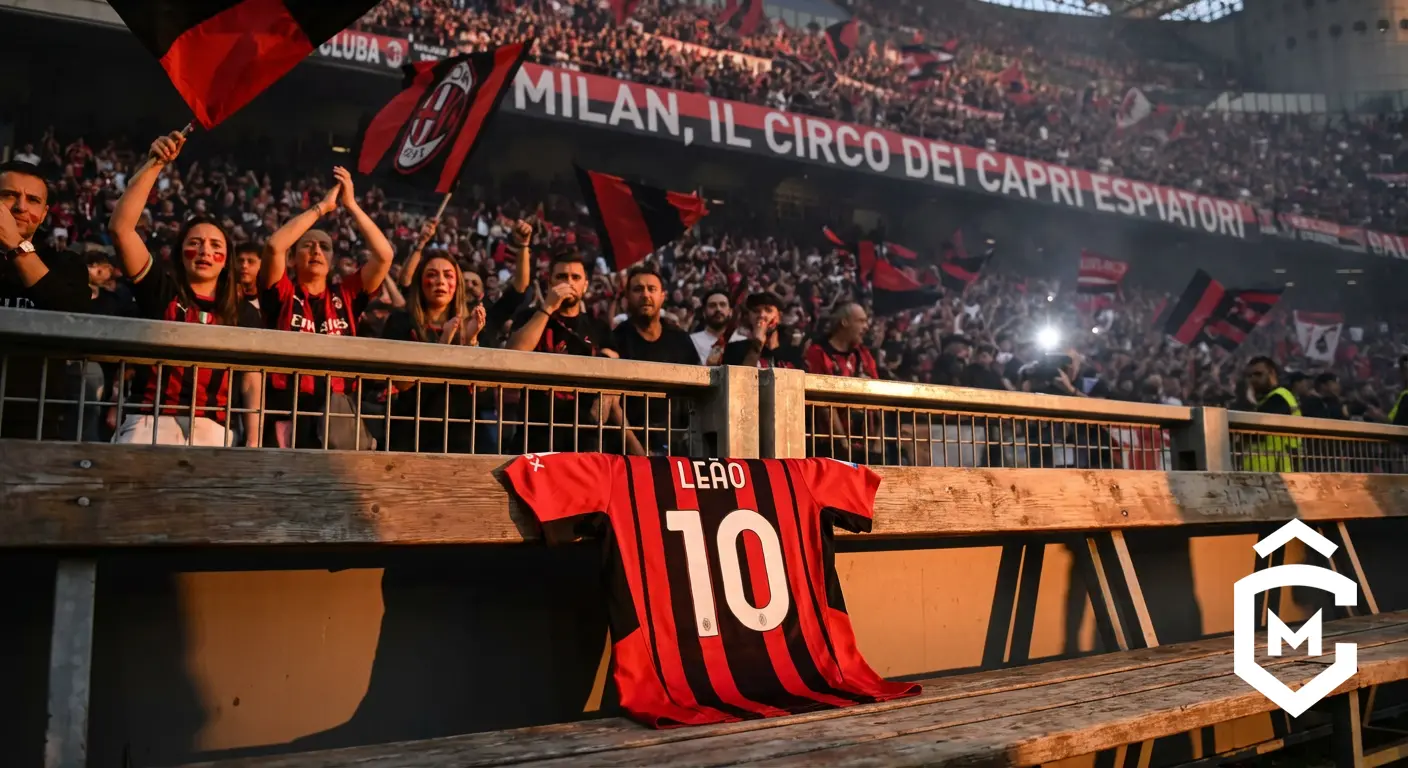
This year the names in the dock appear to be Massimiliano Allegri and Rafael Leão. The Livorno-born coach, brought in with the aim of restoring order and stability, already finds himself under fire before the season is even over. And the Portuguese winger, a crystal-clear talent who has worn the Rossoneri shirt for seven years, is once again at the centre of transfer speculation.
Allegri: willing to stay, but on clear terms
What emerges clearly from the rumours circulating these days is that Allegri has no intention of leaving Milan. Contrary to what some reports would have us believe, the coach is willing to continue — but demands, quite legitimately, that the club does its part. He asks for collaboration, not obstruction. He asks that four or five quality players be signed, not as a personal favour but because Milan objectively needs them to return to the highest level of competition.
The point is as simple as it is brutal: without top-class players, you don’t win, regardless of who sits in the dugout. And the main problem with the Rossoneri’s recent management is not the name of the manager, but the quality of the transfer campaigns. How many transfer windows have passed with significant investment and disappointing returns? Too many players arrived without making an impact, too much money spent without a clear sporting logic.
The striker problem: from the Giroud era to the current void
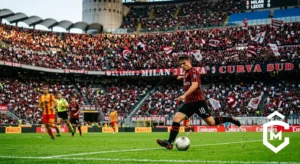
One statistic above all tells the story of Milan’s attacking crisis: the last Milan centre-forward to hit double figures consistently was Olivier Giroud, who arrived at Milanello already aged 36. Since then, despite market efforts, no striker has been found capable of delivering 15–20 goals per season with regularity. A void that weighs heavily on European nights and title races alike.
Changing the coach without solving the structural problem of the attack — and the squad in general — would be, once again, a cosmetic intervention. Like putting a plaster on a wound that requires far deeper treatment.
The Italiano risk: changing only to get worse?
Among the names circulating as a possible replacement for Allegri is that of Vincenzo Italiano. A manager who has shown he can build an attractive, proactive style of play, but one who has never faced the pressure and managerial complexity of a club like Milan. Milanello is not just tactics and training: it’s a complex dressing room, delicate internal dynamics, constant media pressure and, especially at this moment in history, directorial tensions that make the coach’s job enormously harder.
Sacking Allegri in favour of a profile with less experience managing turbulent environments could backfire badly. The club’s recent history teaches us as much: a change of manager does not always bring the improvement hoped for.
RedBird’s management and the absence of continuity
Since RedBird Capital Partners took over Milan and Giorgio Furlani became chief executive, the watchword has been anything but stability. Every year the club starts from scratch: new coaches, new players, new executives. A revolving door that never allows a solid long-term project to be built — the kind of continuity that is the real secret behind Europe’s most successful clubs.
Into this context fits the uncertain position of Igli Tare as sporting director. Reports suggest Tony D’Amico — currently at Atalanta — could replace him, a move that risks unsettling equilibria that have been painstakingly built. It is said, for example, that Luka Modrić chose Milan partly because of his relationship with Tare, who pursued him persistently.
The transfer market: Milan’s real emergency
Beyond the precarious boardroom chairs, the central issue remains the transfer market. Should Rafael Leão leave after seven years in red and black, the problem would not be the sale itself — cycles end — but who would come to fill his shoes. The same logic applies to every potential departure: selling a top-level player only to replace him with an inferior profile inevitably means lowering the overall quality of the squad.
Milan needs a clear project, a long-term vision, and bold, coherent decisions. Not yet another spring revolution that translates into a frantic summer and an autumn of regrets.
The hope — and the demand of every Rossoneri supporter — is that something genuinely changes this time. Not in the dugouts or in the names on the teamsheet, but in the mentality and strategy with which the Milan of the future is built.