

The words of Sergio Conceição, shared in an interview with Repubblica, are sparking debate across the entire Rossoneri world. The former Milan head coach — who lifted the Italian Super Cup during his spell at the club, the only trophy won under the RedBird era across four years — has touched a raw nerve, clearly expressing a concept that fans and insiders have long had on their minds.
The Club Structure at the Heart of Everything
“It’s not easy to be AC Milan’s manager if the club isn’t strong, because the dressing room can’t be strong either” — that, in essence, is the Portuguese coach’s argument. Coming from a supporter or a journalist, it might sound obvious. But when it is spoken by a coach who lived those dynamics from the inside, the weight of those words changes entirely.
Milan have rotated through four head coaches in a short space of time: Pioli out, Fonseca in; Fonseca out, Conceição in; Conceição out, Allegri in. A managerial carousel that, however, has not resolved the club’s structural issues. According to Conceição, the problem has never been the manager himself, but the internal instability that inevitably filters down to the dressing room.
Conflicting Visions, Internal Power Struggles, Results That Don’t Come
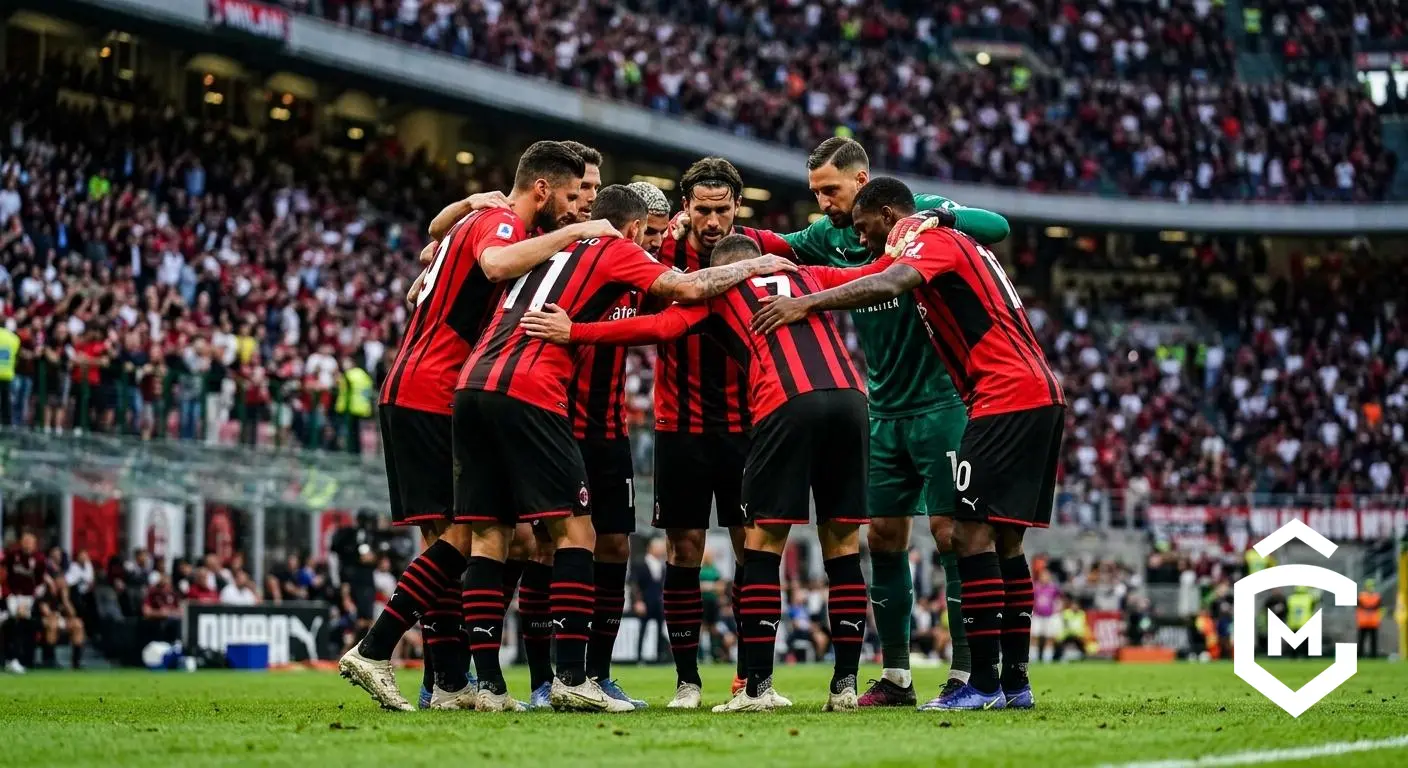
The concept expressed by the Portuguese coach is simple yet powerful: when a club is home to conflicting visions, behind-the-scenes interference, agents operating in the shadows and clashing power dynamics, the technical environment is the first to suffer. It is Milanello that pays the price, with a dressing room that struggles to find the cohesion and calm needed to compete at the highest level.
In order to react during difficult moments, a capable director who can manage the environment is essential — someone who creates stability and shields the squad from external pressures. An element that, based on Conceição’s words and recent developments, appears to have been consistently lacking in the club’s recent management.
A Message That Goes Beyond the Past
Conceição is not speaking about the past to settle scores: his is a lucid analysis of the Milan system. Tensions at headquarters and the lack of a solid, recognisable leadership figure have become a central theme in the Rossoneri debate. The Portuguese coach’s words offer an important starting point: Milan has all the potential to be great again, but first and foremost it needs a strong, united club with a clear vision.
The Rossoneri faithful know it, and the coaches who have lived that reality confirm it. It is now up to the ownership and management to turn these reflections into concrete actions, and to restore the stability that Milan deserves — and that its supporters have been waiting for.