

Amorim Is the One: Agreement Reached with AC Milan
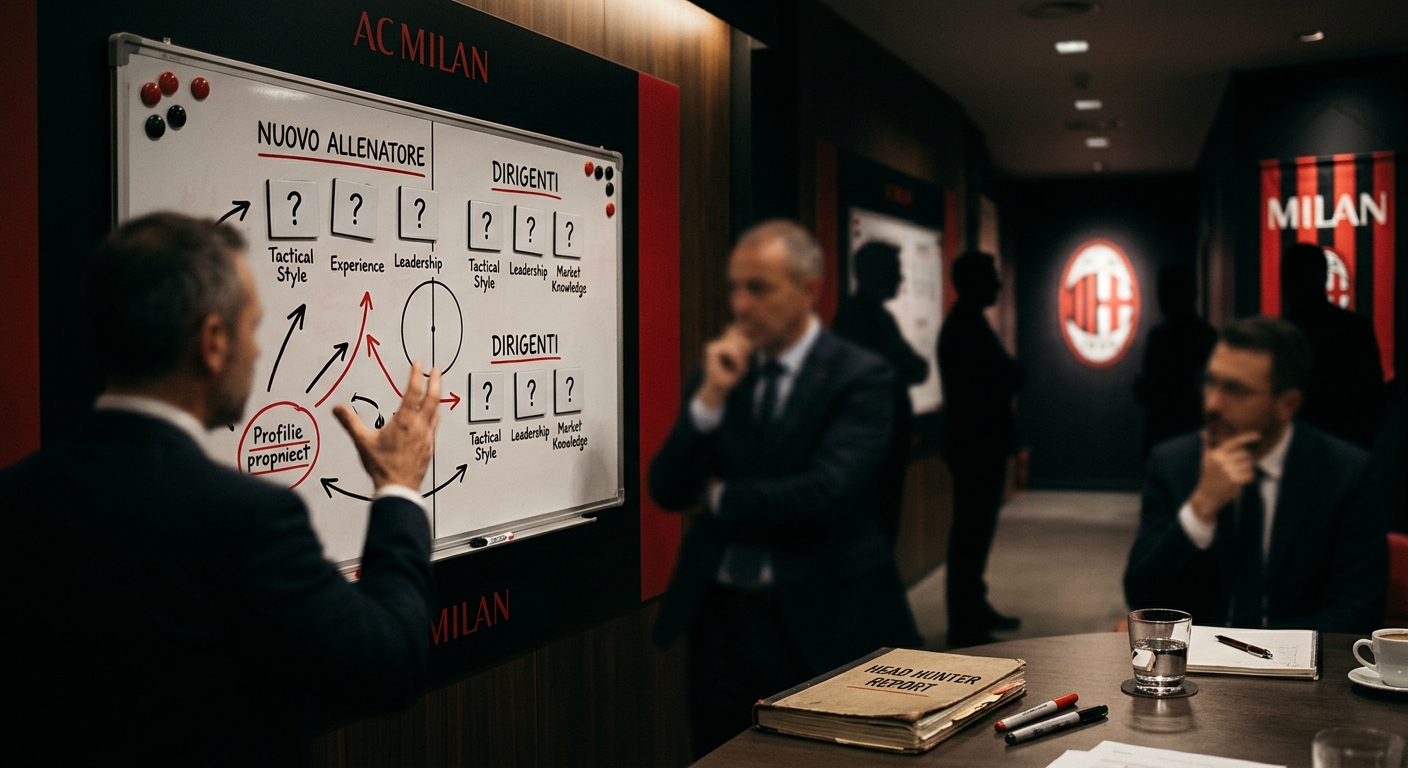
AC Milan has found its manager. Ruben Amorim, the Portuguese coach formerly of Sporting Lisbon and Manchester United, is on the verge of taking over the Rossoneri bench. According to the latest reports, the agreement between the club and Amorim’s entourage is virtually finalised: the tactician has accepted all of Milan’s conditions — both financial and project-related. He has reportedly told those closest to him that he is convinced he will be the next AC Milan head coach.
The only remaining formality is the final green light from Gerry Cardinale, the club’s owner. In recent weeks, the American proprietor held talks — both in person and remotely — with other managerial and sporting director candidates, without reaching any agreement. With Amorim, however, dialogue has produced tangible results, and optimism is running high.
Who Is Ruben Amorim: Playing Philosophy and Tactical Identity
Born in Lisbon in 1985, Ruben Amorim is one of the most compelling coaches in European football. He built his reputation above all at Sporting Lisbon, where he implemented a bold, distinctive and immediately recognisable style of play: a three-man backline, high pressing, rapid transitions and great physical intensity. A model that attracted the attention of clubs across Europe and eventually led him to take on the challenge of Manchester United.
In England the Portuguese coach faced objective difficulties — the same ones that have overwhelmed many of his predecessors — mainly due to a squad not built around his principles. The issue was never his footballing idea, but the absence of players suited to his system: dynamic profiles capable of sustained pressing, with high work rate and intensity. Characteristics that, it must be said, last season’s Milan squad did not always express consistently.
The Squad Revolution: Milan’s Biggest Summer Challenge
And this is where AC Milan’s greatest summer challenge begins. Bringing Amorim without building him the right squad would be a major strategic mistake. The Lusitanian coach needs players with specific qualities: pace, pressing ability, dynamism and the capacity to execute a high-intensity game. The summer transfer window will need to reflect these needs clearly.
It is worth remembering that Milan operates under a self-financing model: resources for transfers come from player sales, player trading, capital gains and European revenue — such as those tied to a potential Europa League qualification. This means the club will need to be highly precise in its decisions, selling well before spending.
The good news is that there is genuine will to intervene decisively in the market. The objective is clear: to build around Amorim a squad that mirrors his footballing identity. A Milan that runs, presses, stays compact and plays with aggression. A style that supporters are eager to embrace after seasons marked by inconsistency.
The Environment and Pressure: Amorim Knows How to Handle Big Challenges
Managing AC Milan has never been straightforward, as the revolving door of coaches in recent years clearly shows. In the last two seasons alone, at least three different managers have sat in the Rossoneri dugout. Pressure is high, fan expectations are sky-high, and the context demands a strong personality.
Amorim, however, has already shown he is no stranger to adversity. He led Sporting Lisbon through one of the most brilliant periods in the club’s history and accepted the pressure of managing Manchester United, one of the most demanding stages in world football. His experience in high-pressure emotional environments is an added value, not something to be underestimated.
AC Milan moves forward. With a project, with an enthusiastic coach and with the desire to return to the top of Italian and European football. As already reported in recent days, the deal was in the air: now it is simply a matter of making it official.