

A Memory That Cannot Be Erased: Three Years Since Silvio Berlusconi’s Passing
There are anniversaries that football carries in its heart differently from all others. On June 12, 2023, Silvio Berlusconi passed away, and with him a piece of Milan’s history — and of Italian football — that no balance sheet will ever be able to quantify. Three years on, the Rossoneri supporters have not forgotten.
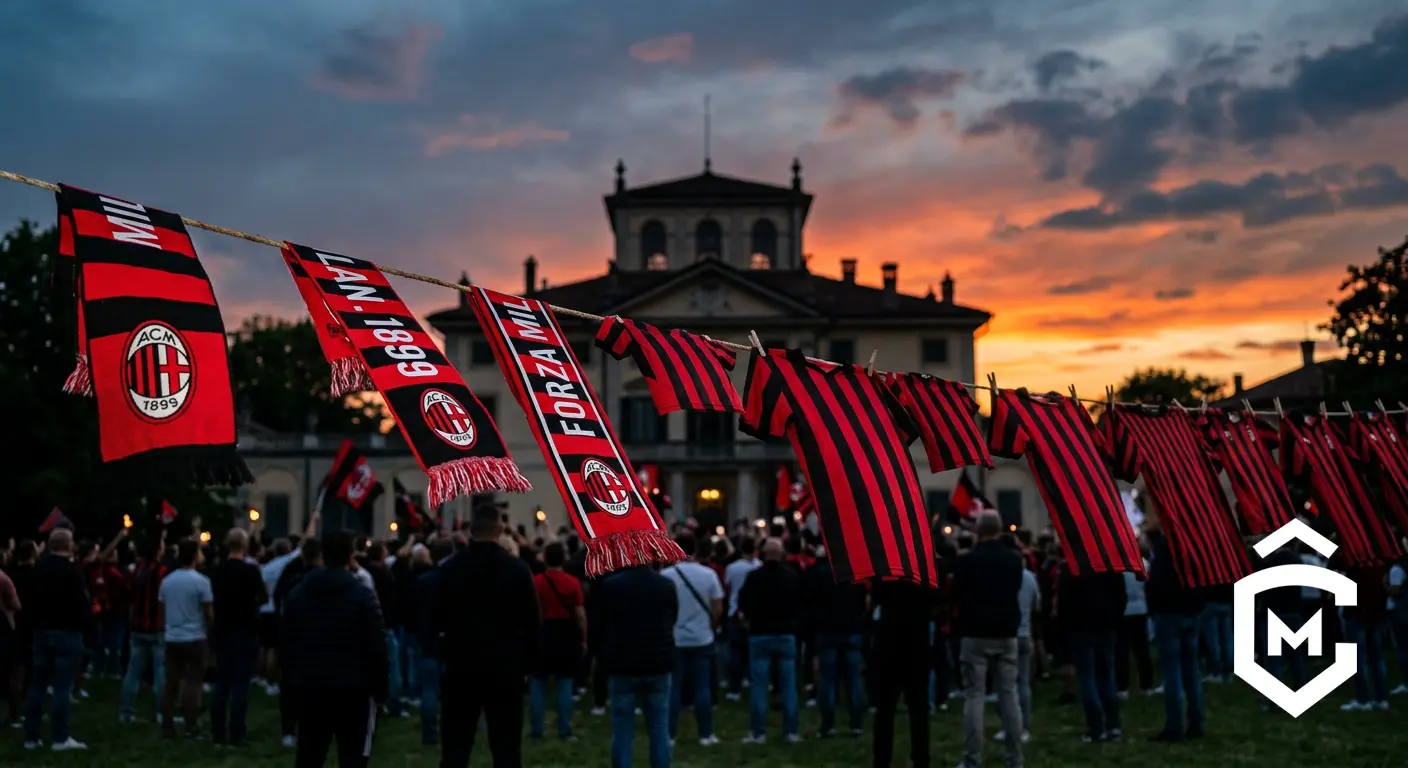
In Arcore, outside the villa that had been his home, around thirty Milan fans gathered spontaneously on the evening of June 12th, carrying flags, banners and red-and-black scarves. A simple, heartfelt gesture that tells more than a thousand words about the bond between the president and his people. On social media too, the tribute was alive: fans shared photos, videos and affectionate messages, celebrating the man who transformed AC Milan into one of the most decorated clubs in the history of world football.
The Club’s Official Silence: A Choice That Leaves a Bitter Taste
Against this backdrop of popular warmth, the club’s institutional silence is striking. AC Milan published no official post to mark the third anniversary of Berlusconi’s passing. No message on social channels, no note on the website, no symbolic gesture from the organisation.
The contrast is sharp when one considers that, on the occasion of Paolo Maldini‘s birthday, the club had chosen to publicly celebrate the Rossoneri legend. Berlusconi was not a simple supporter, nor just another executive: he was the president who built the foundations of modern AC Milan — the Milan of five European Cups and nine league titles won under his stewardship.
Identity and Memory: Values That Cannot Be Deleted
There is a broader reflection to be made here, one that goes beyond a single communications decision. Cutting ties with the past is not the same as building the future. AC Milan’s history is one of the most powerful assets this club possesses: it is what makes it recognisable, loved and respected around the world. Ignoring or erasing that history does not make Milan more modern or more competitive; on the contrary, it risks undermining the identity of a brand that clubs across the globe envy.
The fans who gathered in Arcore know this well. So does anyone who lived through those European nights at San Siro during the golden years. Berlusconi was not a symbol of the past to be filed away: he was — and remains — part of the Rossoneri soul.
AC Milan has a future full of possibilities ahead of it, with a new ownership that has the resources to bring the club back to the top. But that future will shine even brighter if built alongside the memory of those who made this club great. Milan’s history is not a burden: it is the most powerful fuel we have.